- Home
- Brick Repointing
- Lime Pointing
- Newcastle
Restore the Natural Breathability of Traditional Brick & Stone Walls
Lime Pointing Service in Newcastle
Traditional Lime Mortar Repointing Across Newcastle
Authentic Lime Mortar Repairs & Heritage Masonry Restoration Services
Repoint IQ is a lime pointing service for homes, chapels and heritage buildings across Newcastle. We restore worn joints with lime mortar that matches your building, so it stays dry and keeps its character. Every job starts with a free quote.
Cement does not belong on an old brick or stone building. We take it out by hand, fill the joints with the right lime mix, and protect the work while it cures. You get a wall that breathes and a finish that looks like it was always there.
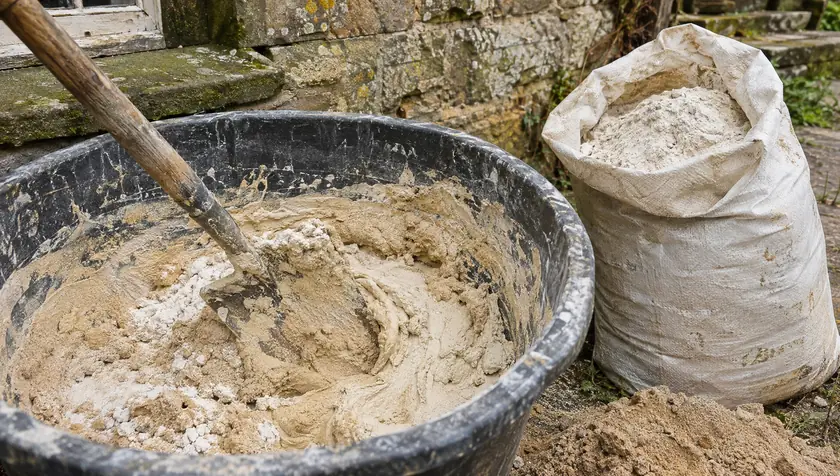 Fresh lime
Grainger Town, Leazes and Newcastle's listed streets
The council's profile of the Central conservation area says Grainger Town is based around the Tyneside classical streets built by Richard Grainger between 1834 and 1839, and that 40% of buildings in the area are listed. The same conservation area includes 11 scheduled ancient monuments, among them the town walls and the Swing Bridge.
Leazes conservation area contains 59 grade I and 105 grade II listed buildings, the council says, while the Gosforth conservation area counts 49 grade II listed buildings, with 9 more sites on the local list.
On walls like these the choice of mortar is not a detail. The council's guide Living in a conservation area (January 2011) says cement repairs are damaging and not acceptable. It also says it is a criminal offence to carry out work that needs listed building consent without getting it first.
Local notes from official sources: council, Census and government data.
Why Owners in Newcastle and the surrounding area Choose Repoint IQ for Lime Pointing
We Are Specialists in Traditional Lime Work
+Our specialists have carried out lime mortar pointing on brick, stone and mixed buildings for many years. That covers cottages, terraces and village churches, from simple repairs to full restoration. We handle all aspects of the job.
We Match the Mortar to Your Building
+Not all lime mortar is the same. Natural hydraulic limes and non-hydraulic lime set in different ways, so we use traditional lime mortars and pick the mix to suit your building.
The colour of lime pointing depends on the sand we use. Matching the original colour and texture helps a building keep its historic look, and Scotland alone has documented 16 historic pointing styles. We study the joint style on your brickwork and copy it.
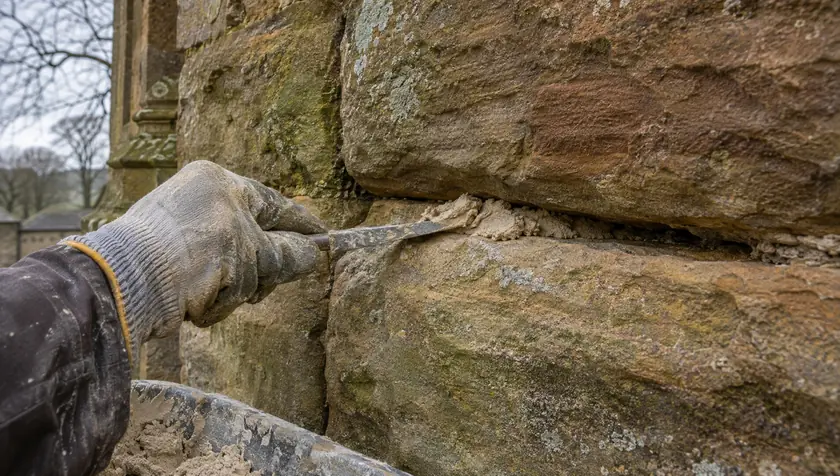 Why owners choose us
What Our Lime Mortar Pointing Services Cover for Homes, Churches and Heritage Buildings
We offer restoration and repair services. Our aim is to preserve the original brick and stone and to improve the life of every joint.
Lime Mortar Repointing and Repointing for Brick and Stone
+Lime pointing means using lime-based mortar in the joints of your masonry. It is the right fit for traditional and historic masonry. We offer brick pointing and stone pointing, and we handle repointing on walls that were done badly before.
Removal of Old Hard Mortar and Careful Raking Out
+Cement removal helps restore an old wall’s breathability. We rake out the old mortar by hand to protect the edges of delicate bricks, which gives the new lime a clean joint to bond to. Careful raking out is the first move in any repairs or restoration job.
We Carry Out Brick Repairs, Stonework and Cleaning
+We carry out brick repairs and stone repairs on cracked or crumbling units, and failed bricks are replaced with a close match. Our stonemasonry skills cover stone masonry, and examples include sills, copings and window surrounds, plus flint work where a building has it. We work on stone and brickwork side by side.
We also offer gentle facade cleaning of the exterior and repoint boundary walls and other structures. For bigger restoration projects, we put cleaning, brick repairs and pointing into one plan.
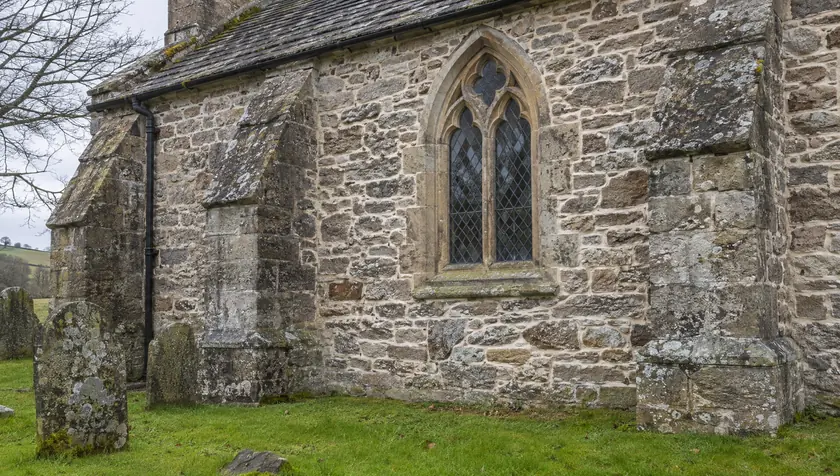 Churches and heritage
Why Lime Mortar Works Better on Older Buildings
Lime Lets Old Masonry Breathe and Move
+Lime mortar has been used in British construction for centuries, long before Portland cement became common. Pre-1919 buildings were mostly built with lime mortar, solid brick and natural stone. Many have no cavity and no damp-proof membrane.
Traditional lime mortars let moisture escape through the joints, so the wall can dry out and manage damp naturally. Lime works with softer, more permeable masonry, is compatible with the materials your building was made from, and helps stop decay taking hold.
It is softer than brick and stone, so the mortar wears first and we repair the joint instead of losing the masonry. It is flexible too, so it absorbs small amounts of building movement and weather stress, which is why builders choose it for historic buildings.
Hard Mortar Can Cause Damage Over Time
+Inappropriate hard cement on an older building can lead to brick spalling, frost damage, and costly repairs. Masonry paint and sealers can trap moisture in the same way. We advise on paint removal where paint holds moisture in.
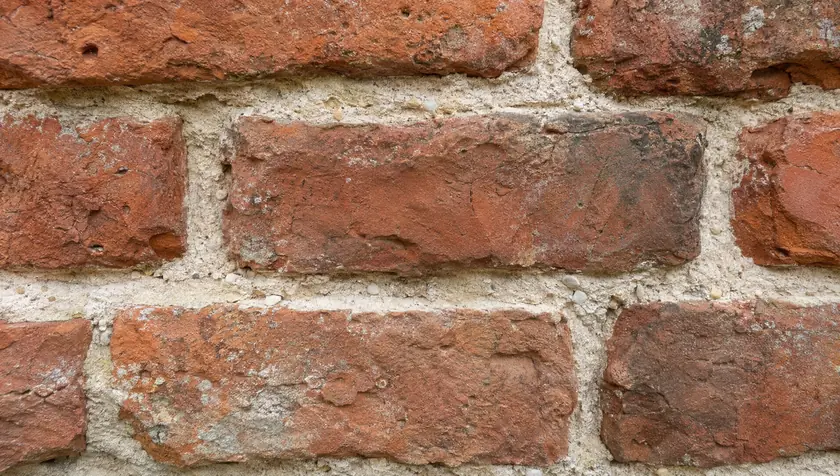 Why lime works
Which Buildings We Work On Across Our Area
We Work on Period Homes, Cottages and Terraces
+England has 5.15 million homes built before 1919, around 20% of the housing stock. Around 38% of UK homes date from before 1946, which gives Britain one of Europe’s oldest housing stocks.
Many sit in our area, from stone cottages to Victorian terraces. Old buildings are also becoming homes, with 97,650 more pre-1919 dwellings in 2024 than in 2012.
We Handle Listed Buildings, Conservation Areas and Church Restoration
+England recorded 379,580 listed buildings in 2025, 401,419 entries on the National Heritage List and 9,907 conservation areas in 2024. Many need traditional materials and specialist conservation techniques.
Specialist workmanship and restoration skills help preserve the character of listed buildings, period homes, cottages and historic stone properties. Whether your building is Grade I, Grade II star, or Grade II, we work to conservation standards and will speak with your conservation officer.
Lime pointing is vital for historic conservation and restoration work, so we are a good fit for chapels, schools and village halls. We have undertaken restoration on historic structures, so ask Repoint IQ about a site visit for your project.
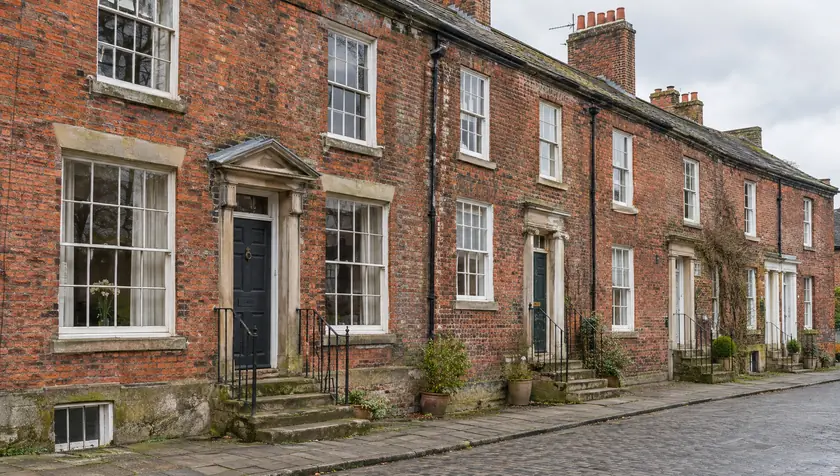 Buildings we work on
Problems Our Lime Pointing Solves for Wet, Cracked and Tired Buildings
We Fix Damp, Water Ingress, Cracks and Loose Joints
+Repointing helps prevent water ingress because good pointing keeps the outer face of the joint sound. Pointing is the visible outer part of the mortar joints, but it protects everything behind it.
Cracks and loose joints start small, then repairs get bigger and cost more. Early repointing and small repairs stop big restoration bills later. Appropriate repointing extends the service life of masonry joints, and it helps maintain the structural integrity of older structures as they shift with the seasons.
We Protect Coastal and Moorland Buildings From Wind-Driven Rain
+Historic buildings in exposed parts of northern and western Britain face extra pressure from wind-driven rain, including the North Sea coast and the moors. Correct lime pointing protects the original exterior brickwork and stonework. If you see damp brickwork or cracks, contact Repoint IQ.
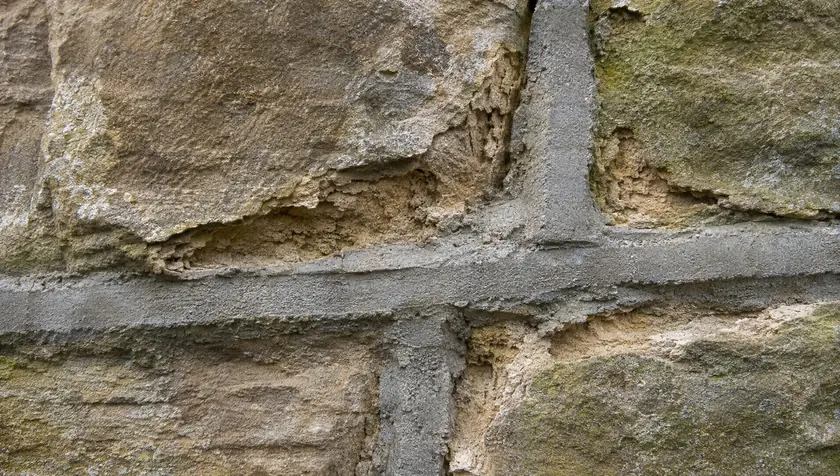 Problems it solves
How Our Lime Pointing Process Works From Survey to Final Finish
We Survey, Rake Out, Point and Protect the Work
Our restoration process starts when we visit your property, check the joints on each wall, and test what mortar is there now. Repointing an old building without need can damage original brickwork and wipe out proof of how it was built, so we only repoint where it is needed.
We take out failed mortar by hand to limit harm to the brick. Good lime mortar pointing takes time. The mortar is applied in the colour and texture that was there before, and careful application keeps the original appearance of the building.
Fresh lime pointing needs protection from frost, heavy rain, strong sun, and rapid drying while it cures. Non-hydraulic lime hardens through carbonation, absorbing carbon dioxide from the air and turning back into calcium carbonate.
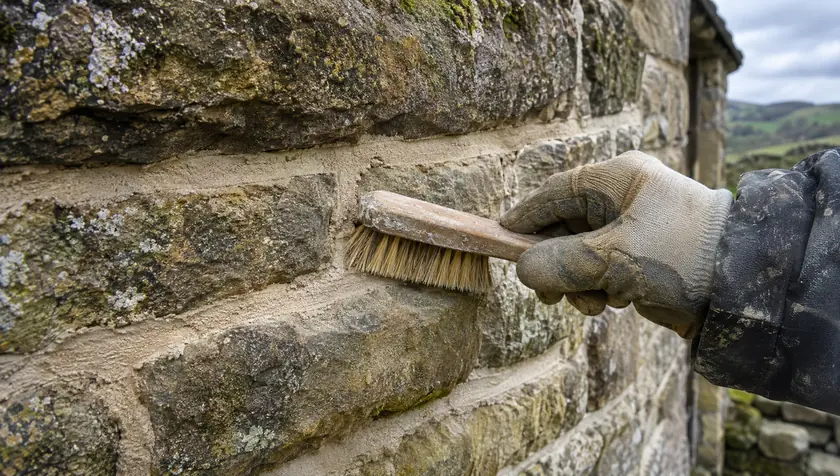 Finish
How Much Does Lime Pointing Cost in Newcastle?
Based on recent repointing projects, our rough price for lime pointing on brickwork is about £65 per square metre, and on stonework it is about £100. That price covers raking out, lime mortar, labour, cleaning up, and minor repairs.
A 50 square metre brick wall comes to about £3,250, and the same area in stone comes to about £5,000. Scaffolding is extra on taller buildings, and for a full house it adds about £1,500.
What Changes Your Price
Your final figure depends on height and access, brick or stone, extra repairs or cleaning, how much old hard mortar we remove, and the lime mix and colour match. This price is a rough guide only, and the actual cost varies from building to building. Send us your details, and we will give you a free quote for your project with a fixed figure.
What You Can Expect From Our Team on Every Project
We provide a written quote that prices pointing and repairs together, and ensure it spells out the work and the materials. If your building does not need repointing, we say so. As a trusted repointing company, we believe repointing a failed job costs more than doing it right once.
Our specialists work to conservation and restoration standards, and each project has someone in charge from start to finish. We use hand tools on delicate brick and stone, and we ensure the mix stays matched to your building. Careful cleaning finishes every job, and we stand behind our work.
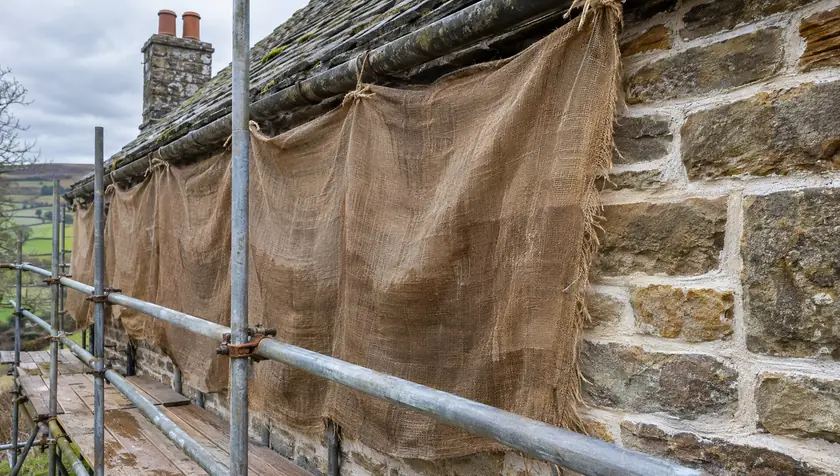 Careful curing
Where We Work Across Newcastle and the surrounding area
Our services cover both regions, from the coast to the dales. If your town is not in this list, ask us:
- Newcastle upon Tyne, Gateshead and Sunderland
- Durham, Darlington and Hartlepool
- Middlesbrough, Stockton-on-Tees and Redcar
- Northumberland, including Hexham, Alnwick and Morpeth
- Harrogate, Ripon, Richmond, Northallerton, Thirsk and Malton
- Whitby and Scarborough
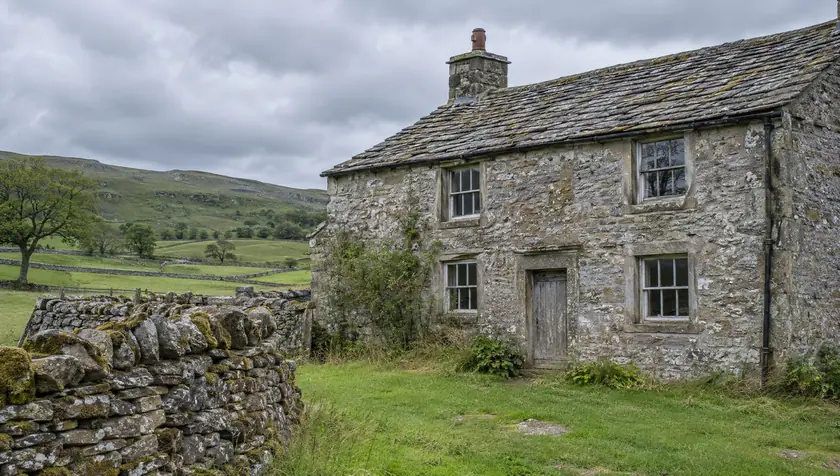 Where we work
Get Your Free Quote for Lime Pointing From Repoint IQ Today
Ready to protect your building? Repoint IQ will survey your property and give you a fixed price. Ask about the services we provide, or send a few photos to book a site visit for your project.
You get specialists, fresh lime mortar, and care on every joint of your brickwork and stonework. Get in touch today.
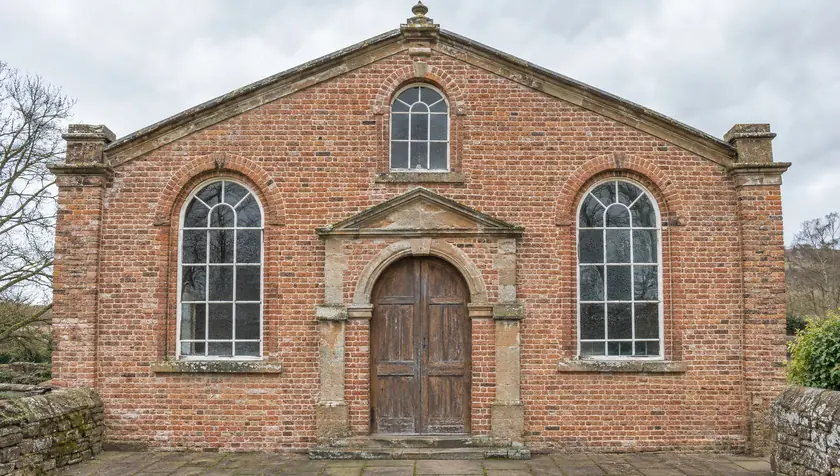 Free quote
Questions people ask us
Straight answers before you book a survey.
How much does lime pointing cost per square metre in the UK?
Lime pointing costs approximately £65 per square metre for brickwork and £100 per square metre for stonework, based on Repoint IQ's recent projects. The final price depends on access, mortar removal, repairs and the lime mix required, so we provide a free survey and fixed-price quote.
Why is lime mortar better than cement for old buildings?
Lime mortar is better than cement for many old buildings because it allows moisture to escape through the joints and accommodates small amounts of building movement. Its softer composition also helps protect traditional brickwork and stonework from damage caused by harder cement mortar.
How do I know if my house needs lime pointing?
Your house may need lime pointing if you notice crumbling mortar, open joints, cracks, or loose material between the bricks or stones. Repoint IQ can inspect your walls, assess the existing mortar, and advise whether repairs or full repointing are necessary.
Can lime pointing help with damp walls?
Lime pointing can help with damp walls by allowing moisture to escape through traditional masonry joints rather than trapping it behind hard cement mortar. It also helps prevent water ingress through deteriorated joints, although other causes of damp may need separate investigation.
Can you remove cement pointing from old brickwork?
Removing cement pointing from old brickwork involves carefully raking out the hard mortar by hand to minimise damage to delicate brick edges. Repoint IQ replaces unsuitable cement with a suitable lime mortar mix matched to your building's original colour and joint style.
Is lime pointing suitable for listed buildings and conservation areas?
Lime pointing is suitable for many listed buildings and properties in conservation areas because traditional lime mortar is compatible with older brickwork and stonework. Repoint IQ undertakes heritage restoration work and can discuss the proposed materials and methods with your conservation officer.
Other work we do in Newcastle
Let the wall breathe
Get your free quote for lime pointing from Repoint IQ. The price covers raking out, lime mortar, labour, cleaning up and minor repairs.